সংক্ষিপ্ত উত্তর:
সোনা এবং রূপার মতো মূল্যবান ধাতুতে ট্রেড করা সাধারণভাবে সেই সব ট্রেডারের জন্য বিবেচনা করার মতো, যারা বৈচিত্র্য, মুদ্রাস্ফীতির সুরক্ষা এবং বৈশ্বিক ম্যাক্রো প্রবণতার এক্সপোজার চান; তবে যারা স্থিতিশীল আয় বা কম অস্থিরতা খুঁজছেন, তাদের জন্য এটি তুলনামূলকভাবে কম উপযোগী। সোনাকে ব্যাপকভাবে একটি নিরাপদ আশ্রয়মূলক সম্পদ হিসেবে দেখা হয়, যা অর্থনৈতিক অনিশ্চয়তার সময় মূল্য ধরে রাখতে প্রবণ; আর রূপা বেশি অস্থিরতা এবং স্বল্পমেয়াদি ট্রেডিংয়ের বেশি সুযোগ দেয়। উভয় ধাতুই মুদ্রাস্ফীতি ও মুদ্রার দুর্বলতার বিরুদ্ধে হেজ করতে সাহায্য করতে পারে, তবে এগুলো আয় সৃষ্টি করে না এবং দামে তীব্র ওঠানামা হতে পারে। ধাতুতে ট্রেডিং আপনার কৌশলের সঙ্গে মানানসই কি না, তা নির্ভর করে আপনার লক্ষ্য, ঝুঁকি সহনশীলতা এবং সময়সীমার ওপর।
সংক্ষেপে বললে: সোনা ও রূপা হলো ঝুঁকি ব্যবস্থাপনা এবং ম্যাক্রো থিমে স্পেকুলেশনের উপকরণ, শেয়ার বা বন্ডের মতো আয়-উৎপাদনকারী সম্পদের বিকল্প নয়।
সোনা ও রূপায় ট্রেডিংয়ের সুবিধা-অসুবিধা কী?
মূল্যবান ধাতুতে ট্রেডিং কিছু গুরুত্বপূর্ণ সুবিধা দেয়, তবে এর সঙ্গে এমন কাঠামোগত সীমাবদ্ধতাও আছে, যা ট্রেডারদের বোঝা জরুরি।
মূল সুবিধাসমূহ:
- নিরাপদ আশ্রয়ের চাহিদা: বিশেষ করে সোনা মন্দা, ব্যাংকিং সংকট বা ভূরাজনৈতিক উত্তেজনার সময় পুঁজি আকর্ষণ করে।
- মুদ্রাস্ফীতির বিরুদ্ধে হেজ: মূল্যবান ধাতু সাধারণত মুদ্রাস্ফীতি বাড়লে এবং ফিয়াট মুদ্রা দুর্বল হলে মূল্য ধরে রাখে, বিশেষ করে মার্কিন ডলারের তুলনায়।
- উচ্চ লিকুইডিটি: সোনা (স্পট XAUUSD, ফিউচারস, এবং প্রধান গোল্ড ETF) বৈশ্বিকভাবে সবচেয়ে তরল বাজারগুলোর একটি, যেখানে অর্ডার বই গভীর এবং স্প্রেড কম।
- পোর্টফোলিও বৈচিত্র্য: সোনা এবং কিছুটা কম পরিমাণে রূপা প্রায়ই শেয়ারবাজার ও কিছু মুদ্রার সঙ্গে কম বা নেতিবাচক সহসম্পর্ক দেখায়।
- অস্থিরতায় সুযোগ: রূপা (স্পট XAGUSD, সিলভার ফিউচারস) বেশি অস্থির, ফলে ইন্ট্রাডে এবং সুইং ট্রেডিং সেটআপ বেশি তৈরি হয়।
- একাধিক উপকরণ: ট্রেডাররা স্পট, CFD, ফিউচারস, অপশন ও ETF ব্যবহার করে লিভারেজ, হোল্ডিং পিরিয়ড এবং খরচ নিজেদের মতো সাজাতে পারেন।
মূল অসুবিধাসমূহ:
- প্যাসিভ আয় নেই: ডিভিডেন্ড স্টক বা বন্ডের মতো, ধাতু ডিভিডেন্ড বা সুদ দেয় না; রিটার্ন পুরোপুরি দামের পরিবর্তনের ওপর নির্ভর করে।
- দামের অস্থিরতা: রূপায় অল্প সময়ে দ্রুত, দ্বিঅঙ্কের শতাংশ পরিবর্তন হতে পারে, যা চাপপূর্ণ ও ঝুঁকিপূর্ণ।
- সুদের হারের সংবেদনশীলতা: বাড়তে থাকা সুদের হার এবং বেশি রিয়েল ইয়িল্ড প্রায়ই সোনার দামের ওপর চাপ সৃষ্টি করে, কারণ আয়হীন সম্পদ কম আকর্ষণীয় হয়ে ওঠে।
- ডলার ও ম্যাক্রো জটিলতা: সোনা ও রূপা সাধারণত মার্কিন ডলারে মূল্যায়িত হয় এবং ডলার সূচক (DXY), ফেডারেল রিজার্ভের নীতি ও বৈশ্বিক তথ্যপ্রবাহ দ্বারা প্রভাবিত হয়, যা বিশ্লেষণকে আরও জটিল করে।
- ঘটনানির্ভর স্পাইক: ম্যাক্রো সংবাদ, কেন্দ্রীয় ব্যাংকের মন্তব্য বা ভূরাজনৈতিক শিরোনামে দাম অতিরিক্ত প্রতিক্রিয়া দেখাতে পারে, ফলে স্লিপেজ ও স্টপ-আউট হতে পারে।
- লিভারেজ ঝুঁকি: CFD বা ফিউচারসের মতো লিভারেজড উপকরণ ব্যবহার করলে লাভ ও ক্ষতি দুটোই বাড়ে, তাই ঝুঁকি ব্যবস্থাপনা অপরিহার্য।
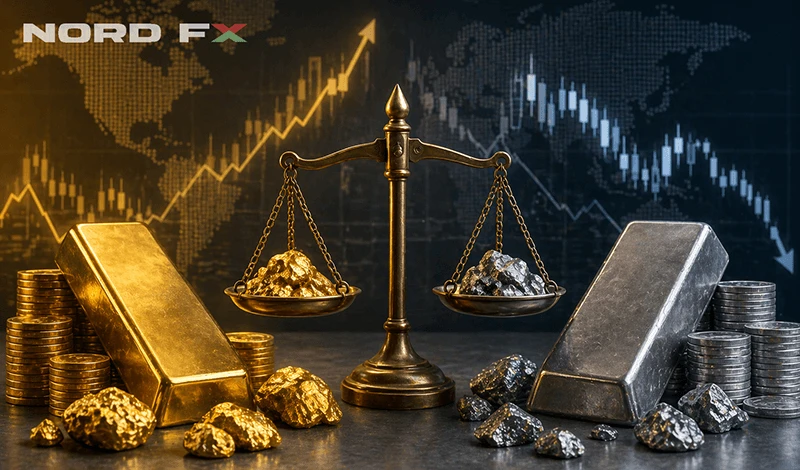
সোনা বনাম রূপা: ট্রেডিংয়ের জন্য কোনটি ভালো?
সোনা ও রূপার ভূমিকা আলাদা, আর কোনটি ভালো হবে তা নির্ভর করে আপনার ঝুঁকি-আগ্রহ, সময়সীমা এবং ট্রেডিং স্টাইলের ওপর।
- অস্থিরতা: রূপা সাধারণত সোনার তুলনায় বেশি অস্থির, যা বড় ইন্ট্রাডে রেঞ্জ খোঁজা সক্রিয় ডে ট্রেডার ও সুইং ট্রেডারদের কাছে আকর্ষণীয়। সোনা তুলনামূলকভাবে বেশি স্থিতিশীল ও মসৃণ, তাই পজিশন ট্রেডার ও ঝুঁকিভীত কৌশলের জন্য উপযোগী।
- লিকুইডিটি: সোনা (XAUUSD, প্রধান ফিউচারস কনট্র্যাক্ট এবং বড় গোল্ড ETF) সাধারণত বেশি গভীর লিকুইডিটি ও কম স্প্রেড দেয়, বিশেষ করে বড় অর্ডারের ক্ষেত্রে।
- বাজার-চালক: সোনার মূল চালক হলো মুদ্রাস্ফীতির প্রত্যাশা, বাস্তব সুদের হার ও কেন্দ্রীয় ব্যাংকের নীতি; আর রূপার দাম ইলেকট্রনিক্স ও সৌরশক্তির মতো শিল্পখাতে চাহিদার প্রতিও জোরালোভাবে প্রতিক্রিয়া জানায়।
- ঝুঁকির প্রোফাইল: সোনা প্রায়ই ঝুঁকি ব্যবস্থাপনা ও হেজিং টুল হিসেবে ব্যবহৃত হয়, যেখানে বেশি বেটা থাকার কারণে রূপা সাধারণত স্পেকুলেটিভ ট্রেডের জন্য বেশি ব্যবহৃত হয়।
- দামের আচরণ: রূপা সাধারণত সোনার দিক অনুসরণ করে, তবে শতাংশগতভাবে বড় নড়াচড়া করে, ফলে লাভ ও ক্ষতি—দুটোই বাড়তে পারে।
অনেক ট্রেডারের জন্য সোনা একটি মূল উপকরণ ম্যাক্রো ও হেজিং কৌশলের জন্য, আর বাজারের অবস্থা ঝুঁকি নেওয়ার পক্ষে থাকলে রূপা বেশি উচ্চ-গতির বিকল্প হিসেবে কাজ করে।
কখন সোনা ও রূপায় ট্রেড করা সবচেয়ে আকর্ষণীয়?
নির্দিষ্ট কিছু ম্যাক্রো অর্থনৈতিক ও বাজার পরিস্থিতিতে সোনা ও রূপা সবচেয়ে ভালো পারফর্ম করে, যখন নিরাপদ আশ্রয়মূলক সম্পদ বা বাস্তব সম্পদের এক্সপোজারের চাহিদা তৈরি হয়।
- অর্থনৈতিক অনিশ্চয়তা বা মন্দার আশঙ্কা: বিনিয়োগকারীরা যখন প্রবৃদ্ধি, আয় বা আর্থিক স্থিতিশীলতা নিয়ে উদ্বিগ্ন হন, তখন তারা প্রায়ই সোনায় ঝুঁকে পড়েন।
- বাড়তে থাকা বা স্থির মুদ্রাস্ফীতি: মুদ্রাস্ফীতি বেশি হলে বা দীর্ঘস্থায়ী হওয়ার প্রত্যাশা থাকলে ধাতু উপকৃত হতে পারে, বিশেষ করে যখন বাস্তব সুদের হার কম বা নেতিবাচক থাকে।
- দুর্বল মার্কিন ডলার: ডলারের মূল্য কমলে ডলার-নির্ধারিত ধাতু অন্য মুদ্রায় সস্তা হয়, যা সাধারণত দামকে সমর্থন করে।
- ভূরাজনৈতিক চাপ: সংঘাত, নিষেধাজ্ঞা বা রাজনৈতিক অস্থিরতা নিরাপদ আশ্রয় প্রবাহকে সোনার দিকে ঠেলে দিতে পারে।
- সহজ মুদ্রানীতি: কম নীতিগত সুদহার, কিউই (quantitative easing), এবং ভবিষ্যৎ সুদের হার কমার প্রত্যাশা সোনা এবং কিছুটা কম পরিমাণে রূপাকে সহায়তা করতে পারে।
ট্রেডাররা প্রায়ই US CPI, রিয়েল ইয়িল্ড, ফেডারেল রিজার্ভের বিবৃতি এবং DXY সূচকের মতো সূচক দেখেন, যাতে বোঝা যায় কোন পরিস্থিতি ধাতুতে লং বা শর্ট পজিশনের পক্ষে।
শুরুর দিকের ট্রেডারদের জন্য সোনা ও রূপা কি উপযোগী?
বাস্তবসম্মত প্রত্যাশা এবং শক্তিশালী ঝুঁকি ব্যবস্থাপনা থাকলে মূল্যবান ধাতু শুরুর দিকের ট্রেডারদের জন্য উপযোগী হতে পারে।
- শুরু করার জন্য সোনা: তুলনামূলক স্থিতিশীলতা, গভীর লিকুইডিটি এবং সুপরিচিত ম্যাক্রো চালকের কারণে সোনা সাধারণত নবীনদের জন্য বেশি সুবিধাজনক।
- রূপার চ্যালেঞ্জ: রূপার বেশি অস্থিরতা এবং মূল্যবান ও শিল্পধাতু—দুই ভূমিকাই এটিকে ট্রেড করা আরও জটিল ও মানসিকভাবে চ্যালেঞ্জিং করে তোলে।
- ঝুঁকি নিয়ন্ত্রণ: নবীনদের ছোট পজিশন সাইজ ব্যবহার করা, অতিরিক্ত লিভারেজ এড়ানো এবং ট্রেডে প্রবেশের আগে অবশ্যই স্টপ-লস লেভেল নির্ধারণ করা উচিত।
- ম্যাক্রোর মৌলিক বিষয় শেখা: সুদের হার, মুদ্রাস্ফীতি, মার্কিন ডলার এবং কেন্দ্রীয় ব্যাংকের নীতি কীভাবে ধাতুর ওপর প্রভাব ফেলে তা বোঝা সোনা ও রূপা—দুই ক্ষেত্রেই অত্যন্ত গুরুত্বপূর্ণ।
- স্পষ্ট লক্ষ্য: নতুন ট্রেডারদের নির্ধারণ করা উচিত তারা ধাতু ব্যবহার করছেন মূলত হেজিং, বৈচিত্র্য, নাকি সক্রিয় স্পেকুলেশনের জন্য, এবং সেই অনুযায়ী উপকরণ বেছে নেওয়া উচিত।
সোনা ও রূপা ট্রেড করার সাধারণ পদ্ধতি
সোনা ও রূপায় এক্সপোজার পাওয়ার জন্য বেশ কিছু জনপ্রিয় উপকরণ আছে, প্রতিটির বৈশিষ্ট্য আলাদা।
- স্পট ট্রেডিং (XAUUSD, XAGUSD): অনেক ফরেক্স-ধাঁচের প্ল্যাটফর্মে পাওয়া যায়; ২৪ ঘণ্টা অ্যাক্সেস এবং নমনীয় পজিশন সাইজিংয়ের কারণে স্পট ধাতু ইন্ট্রাডে ও সুইং ট্রেডারদের মধ্যে জনপ্রিয়।
- সোনা ও রূপার CFD: কনট্র্যাক্ট ফর ডিফারেন্সে আন্ডারলাইং ধাতু না কিনেই লিভারেজড লং ও শর্ট পজিশন নেওয়া যায়; যারা লিভারেজ ও ওভারনাইট ফাইন্যান্সিং খরচ সামলাতে পারেন, তাদের জন্য উপযোগী।
- ফিউচারস ও অপশন: প্রধান এক্সচেঞ্জে সোনা ও রূপার ফিউচারস মানসম্মত কনট্র্যাক্ট, উচ্চ লিকুইডিটি এবং উন্নত অপশন বাজার দেয়, যা সাধারণত অভিজ্ঞ ট্রেডার ও হেজাররা ব্যবহার করেন।
- ETF ও ETC: সোনা ও রূপার এক্সচেঞ্জ-ট্রেডেড ফান্ড বা কমোডিটি স্টক-জাতীয় একটি মাধ্যমে এক্সপোজার দেয়, এবং যারা সরাসরি মার্জিন ব্যবস্থাপনা এড়াতে চান, তাদের কাছে সাধারণত বেশি পছন্দনীয়।
- মাইনিং স্টক: সোনা ও রূপার খনি কোম্পানিগুলো ধাতুর দামে লিভারেজড এক্সপোজার দেয়, তবে ব্যবস্থাপনা, খরচ ও অপারেশনাল সমস্যার মতো কোম্পানিভিত্তিক ঝুঁকিও যোগ করে।
এই বিকল্পগুলোর মধ্যে নির্বাচন নির্ভর করে আপনার অভিজ্ঞতা, মূলধন, হোল্ডিং পিরিয়ড, এবং লিভারেজ ও জটিলতা সহ্য করার ক্ষমতার ওপর।
সোনা ও রূপায় ট্রেডিংয়ের মূল কথা
- সোনা ও রূপায় ট্রেডিং বৈচিত্র্য বাড়াতে এবং মুদ্রাস্ফীতি ও ম্যাক্রোঅর্থনৈতিক থিমে এক্সপোজার দিতে পারে, তবে এটি আয়-উৎপাদনকারী সম্পদের বিকল্প নয়।
- সোনা সাধারণত হেজিং ও তুলনামূলক রক্ষণশীল ট্রেডিং কৌশলের জন্য ভালো, যেখানে রূপা বেশি অস্থিরতার কারণে বেশি ঝুঁকি ও বেশি সম্ভাব্য লাভ দেয়।
- ধাতু ট্রেডিংয়ে সাফল্য নির্ভর করে ম্যাক্রো চালক বোঝা, লিভারেজ সতর্কভাবে ব্যবস্থাপনা করা, এবং উপকরণ নির্বাচনকে নিজের লক্ষ্য ও ঝুঁকি সহনশীলতার সঙ্গে মিলিয়ে নেওয়ার ওপর।
FAQ
সোনা ট্রেড করা কি নিরাপদ?
সোনায় ট্রেড করাকে সাধারণত অনেক অন্য পণ্যের তুলনায় নিরাপদ ধরা হয়, কারণ এর লিকুইডিটি বেশি এবং এটি নিরাপদ আশ্রয় হিসেবে পরিচিত; তবে এটি ঝুঁকিমুক্ত নয়। সুদের হার, মুদ্রার ওঠানামা, ম্যাক্রো ডেটা ও ভূরাজনৈতিক ঘটনায় দাম বদলাতে পারে, তাই পরিস্থিতি ভুল বিচার করলে বা অতিরিক্ত লিভারেজ ব্যবহার করলে ক্ষতি হতে পারে।
রূপা কেন সোনার চেয়ে বেশি অস্থির?
রূপার মোট বাজার ছোট এবং সোনার তুলনায় শিল্পচাহিদা বড়; সোনা বেশি আর্থিক ও বিনিয়োগ সম্পদ হিসেবে ধরে রাখা হয়। এই সংমিশ্রণ রূপাকে অর্থনৈতিক প্রবৃদ্ধি, উৎপাদনচক্র ও বিনিয়োগকারীর মনোভাবের পরিবর্তনের প্রতি বেশি সংবেদনশীল করে তোলে, ফলে উত্থান-পতনে দামে শতাংশগত নড়াচড়া বেশি হয়।
সোনা ও রূপা কি আয় তৈরি করে?
ভৌত সোনা ও রূপা, এবং বেশিরভাগ স্পট ও CFD পজিশন ডিভিডেন্ড বা সুদ দেয় না; এদের রিটার্ন আসে শুধু দামের বৃদ্ধি বা হ্রাস থেকে। কিছু উপকরণ, যেমন নির্দিষ্ট মাইনিং স্টক বা স্ট্রাকচার্ড প্রোডাক্ট, ডিভিডেন্ড বা কুপন দিতে পারে, তবে ধাতুগুলো নিজে আয়হীন সম্পদ।
স্বল্পমেয়াদে কি সোনা ও রূপা ট্রেড করা যায়?
হ্যাঁ, সোনা ও রূপা স্বল্পমেয়াদি ট্রেডিংয়ের জন্য সবচেয়ে জনপ্রিয় উপকরণগুলোর মধ্যে রয়েছে, কারণ এদের লিকুইডিটি বেশি, স্প্রেড কম, এবং অর্থনৈতিক ডেটা প্রকাশ ও কেন্দ্রীয় ব্যাংকের খবরের প্রতি সংবেদনশীলতা রয়েছে। ডে ট্রেডার ও স্ক্যালপাররা প্রায়ই XAUUSD এবং XAGUSD-তে নজর দেন, টেকনিক্যাল লেভেল ও ম্যাক্রো ক্যালেন্ডার ব্যবহার করে ইন্ট্রাডে মুভ ধরার জন্য।
ফিজিক্যাল সোনা ধরে রাখার চেয়ে সোনায় ট্রেড করা কি ভালো?
স্পট, CFD, ফিউচারস বা ETF-এর মাধ্যমে সোনা ট্রেড করলে লং বা শর্ট যাওয়া এবং লিভারেজ ব্যবহার করা বেশি নমনীয় হয়, যা লাভের সম্ভাবনা ও ঝুঁকি—দুটোই বাড়াতে পারে। কয়েন বা বার আকারে ভৌত সোনা ধরে রাখা দীর্ঘমেয়াদি সম্পদ সংরক্ষণের জন্য বেশি উপযোগী, তবে এতে সংরক্ষণ, নিরাপত্তা ও লিকুইডিটির বিষয় থাকে এবং শর্ট সেলিং বা সক্রিয় কৌশল সহজে সম্ভব নয়।
সোনা বা রূপা ট্রেড করতে কত মূলধন লাগে?
ন্যূনতম মূলধন নির্ভর করে উপকরণ ও ব্রোকারের ওপর, তবে অনেক প্ল্যাটফর্মে মাইক্রো-লট বা ছোট ETF পজিশন নেওয়া যায়, তাই তুলনামূলক ছোট অঙ্ক দিয়েও শুরু করা সম্ভব। তবে অস্থিরতা ও লিভারেজ বড় ওঠানামা তৈরি করতে পারে বলে, আপনি যে মূলধন হারাতে পারবেন সেই টাকাই ব্যবহার করা এবং বিশেষ করে শেখার পর্যায়ে পজিশন ছোট রাখা বুদ্ধিমানের কাজ।
সোনা ও রূপার CFD কি ঝুঁকিপূর্ণ?
সোনা ও রূপার CFD উল্লেখযোগ্য ঝুঁকি বহন করে, কারণ এগুলো লিভারেজড পণ্য—অর্থাৎ ছোট দামের পরিবর্তনেও মূলধনে বড় শতাংশ লাভ বা ক্ষতি হতে পারে। কঠোর ঝুঁকি নিয়ন্ত্রণের সঙ্গে ব্যবহার করলে এগুলো স্বল্পমেয়াদি ট্রেডিং ও হেজিংয়ের কার্যকর উপায় হতে পারে, কিন্তু ব্যবহার করার আগে মার্জিন প্রয়োজন, ওভারনাইট ফাইন্যান্সিং, এবং দ্রুত ড্রডাউনের সম্ভাবনা বোঝা জরুরি।
লেখকের পরিচিতি
ভানেসা পলসন NordFX-এ একজন মার্কেটিং ম্যানেজার, এবং আর্থিক সেবা খাতে অনলাইন মার্কেটিংয়ে তাঁর অভিজ্ঞতা বারো বছরেরও বেশি। তিনি ইন-হাউস পরিবেশে সার্চ, সোশ্যাল এবং ডিসপ্লে চ্যানেলে ডেটা-নির্ভর ক্যাম্পেইন তৈরি ও বাস্তবায়ন করেছেন। তাঁর কাজের মূল ফোকাস হলো জটিল আর্থিক পণ্য ও ট্রেডিং টুলকে স্পষ্ট, ব্যবহারিক শিক্ষামূলক কনটেন্টে রূপান্তর করা, যা তাঁকে বৈশ্বিক ট্রেডিং ল্যান্ডস্কেপের একটি বিস্তৃত ও ভারসাম্যপূর্ণ দৃষ্টিভঙ্গি দেয়।
LinkedIn-এ ভানেসার সঙ্গে যোগাযোগ করুন: LinkedIn.
ফিরে যান ফিরে যান